
How was the Pacaya volcano formed?
Understand Pacaya as a sequence of volcanic growth and collapse. Separate the older complex, Mackenney cone and the limits of formation dates.
Last reviewed October 2026
Contents5
The Pacaya volcano formed through repeated eruptions and collapse. It did not grow as one cone in a single event. The wider place contains older volcanic forms and the younger Mackenney cone. Keep the age of the whole complex separate from the age of that cone.
In brief: Pacaya grew in an older volcanic setting. Parts of an older mountain collapsed, and later growth changed the shape again. A recent eruption date is not the birth date of the whole place. Each age belongs to a named feature or event.
How the Pacaya volcano formed in the region
The Smithsonian Global Volcanism Program places Pacaya in a subduction zone. It is part of the Central America Volcanic Arc. The summary puts the complex outside the south rim of the older Amatitlán caldera. That is the broad setting, rather than a date for the modern cone.
A caldera is a large volcanic depression. It is not the same thing as one small summit crater. The older setting and the visible cone have distinct roles in the account. They should not be treated as the result of one event.
Eruptions add material to the ground. Lava cools to form rock. Fragments thrown out in eruptions can build deposits too. Later events can cover or remove what came before.
How the Pacaya volcano formed in stages
Oregon State's Volcano World describes older forms beside a younger cone. It says most of the complex formed in the last 23,000 years. We checked that account in October 2026. This is a broad age range, not a birthday for every feature.
| Stage in the explanation | What it means |
|---|---|
| Older setting | Pacaya lies near the older Amatitlán caldera |
| Earlier growth | Volcanic forms grew before the modern cone |
| Collapse | Part of an older edifice fell away |
| Later growth | Mackenney grew within the changed landscape |
Scroll for more →
The Smithsonian names Pacaya Viejo and Cerro Grande as older stratovolcanoes. Its account then describes collapse of Pacaya Viejo. That left a curved scar in the landscape. The modern Mackenney cone grew inside it.
Growth and loss are both part of this story. New rock can build a cone while collapse removes an older slope. The present shape reflects those changes. It is not just a pile on top of an unchanged mountain.
Keep each date with its event
The Smithsonian gives a range of about 600 to 1,500 years ago for that collapse. The range shows a limit to how closely the event is dated. Do not turn it into one exact year. It is also not the age of the whole complex.
Distinct parts can have distinct ages. A cone, a flow surface and a loose sample need not come from the same episode. The name Pacaya can cover more than one stage. Read the feature name beside the date.
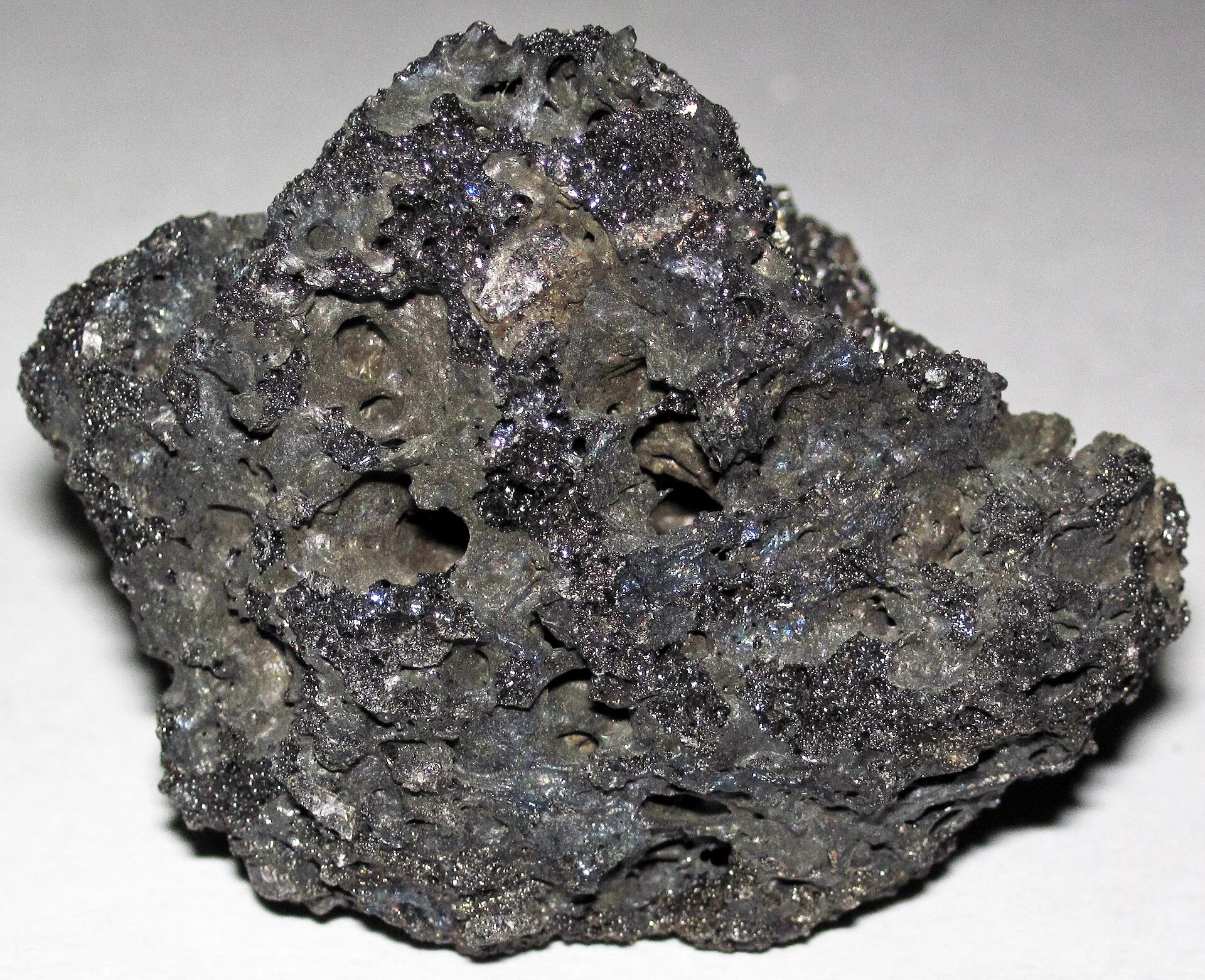
The photo here shows a documented scoria sample from Pacaya. It is a close view of a rock, not the whole complex. Its photo date does not date the volcano. A rock image needs its own source context.
Formation is separate from height and access
A summit height tells you where a point lies above sea level. It does not tell you when that point formed. Read Pacaya altitude for the height sources and their limits. The Pacaya overview puts those facts into the wider setting.
The old growth sequence also does not grant access. A feature can be well described by science and still be outside the allowed visitor route. Ask for the current endpoint before a walk. An old photo is not permission to repeat its viewpoint.
Continue with these guides
- Pacaya Volcano Tour: Compare Departures and Inclusions
- Pacaya Volcano Hike: Route, Preparation and Visit Planning
Verdict: describe growth and collapse together
The Pacaya volcano formed through stages in an older volcanic setting. Collapse changed the ground before later cone growth. Keep the dates with the parts they describe. That gives a clearer answer than choosing one birth year for the whole place.